Research & Reports
Research & Reports
Research & Reports
Barriers to Identification and Legal Identity for Unhoused Individuals in the Bay Area
Barriers to Identification and Legal Identity for Unhoused Individuals in the Bay Area
Barriers to Identification and Legal Identity for Unhoused Individuals in the Bay Area
Grace Thomas
Grace Thomas
June 5, 2026
June 5, 2026
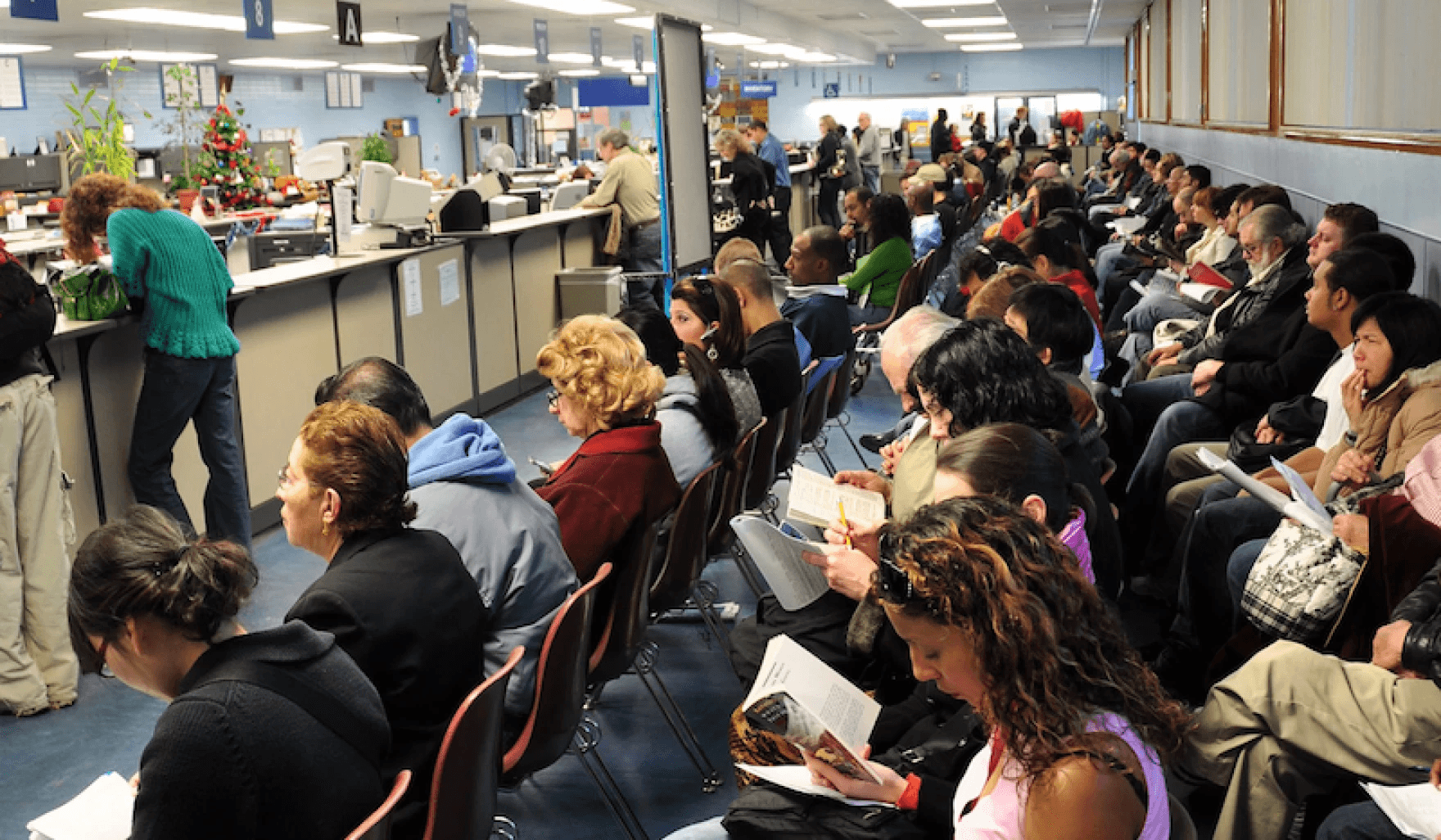
In the Bay Area (San Francisco, Oakland, Alameda County), government-issued identification (ID) is required for housing, employment, healthcare, and public benefits. However, unhoused individuals face major barriers to obtaining ID due to cost, documentation requirements, lack of address, and fragmented systems. As a result, lack of ID functions as a systemic legal barrier that reinforces houselessness.
What This Means for Unhoused Individuals
Obtaining Foundational Documents
Birth certificate: https://www.cdph.ca.gov/Programs/CHSI/Pages/Vital-Records.aspx
Social Security card: https://www.ssa.gov/number-card
Barrier: Fees, prior documentation, and mailing access are required.
Providing Proof of Residency
Lease, utility bill, or shelter verification
Barrier: Many unhoused individuals lack a stable address.
Applying for a California ID
Department of Motor Vehicles (DMV): https://www.dmv.ca.gov/portal/driver-licenses-identification-cards/identification-id-cards/
Key Policy: California offers a No-Fee ID Program (DL 933) for unhoused individuals.
Law: https://leginfo.legislature.ca.gov/faces/codes_displaySection.xhtml?sectionNum=14902.&lawCode=VEH
Barrier: Requires verification from shelters or nonprofits.
Verification and Mailing
Barriers: Missing records delay approval; IDs are mailed and often lost without stable access.
Why This Matters
Without ID, individuals cannot:
Access housing systems or shelters
Enroll in Medi-Cal
Obtain employment
The United States Department of Housing and Urban Development (HUD) recognizes documentation as a major barrier: https://www.hud.gov/sites/documents/barrier_design_guidance.pdf
San Francisco Homeless Response System (the Department of Homelessness and Supportive Housing): https://www.sf.gov/departments--homelessness-and-supportive-housing
Barriers:
No stable address
“ID to get ID” documentation loop
Fees and indirect costs
Fragmented agencies (DMV, Social Security Administration, county records)
Document loss during encampment sweeps: https://www.aclunorcal.org/press-releases/san-francisco-supervisors-unanimously-approve-settlement-requiring-city-protect-unhoused/
Healthcare Impact
Without ID, individuals may face:
Delayed Medi-Cal enrollment
Loss of coverage
Reduced access to care
Centers for Medicare & Medicaid Services: https://www.cms.gov/
Policy Solutions
Expand No-Fee ID access (DL 933)
Allow shelter/United States Postal Service addresses
Mobile DMV outreach to encampment and shelters
Integrate ID services with local systems: https://socialservices.alamedacountyca.gov/index.page
Legal aid support:
Conclusion
In the Bay Area, lack of ID is a structural barrier to housing, healthcare, and employment. Expanding access to ID is a high-impact, locally actionable solution to reduce houselessness.
Works Cited
Barrier Design Guidance for HUD Assisted Projects near Hazardous Facilities, www.hud.gov/sites/documents/barrier_design_guidance.pdf. Accessed 3 June 2026.
“Can Homeless People Get the Real Id?” KALW, 9 Jan. 2020, www.kalw.org/show/crosscurrents/2020-01-09/can-homeless-people-get-the-real-id.
“Code Section.” California Code, VEH 14902., leginfo.legislature.ca.gov/faces/codes_displaySection.xhtml?sectionNum=14902.&lawCode=VEH. Accessed 3 June 2026.
Health, Department of Public. “Vital Records.” Vital Records, 21 Mar. 2026, www.cdph.ca.gov/Programs/CHSI/Pages/Vital-Records.aspx.
“Home - Centers for Medicare & Medicaid Services.” CMS.Gov, www.cms.gov/. Accessed 3 June 2026.
“Home.” East Bay Community Law Center, 6 Feb. 2025, ebclc.org/.
“Homelessness and Supportive Housing.” San Francisco City Seal, www.sf.gov/departments--homelessness-and-supportive-housing. Accessed 3 June 2026.
“ID Cards.” California DMV, 20 Feb. 2026, www.dmv.ca.gov/portal/driver-licenses-identification-cards/identification-id-cards/.
“San Francisco Supervisors Unanimously Approve Settlement Requiring the City to Protect Unhoused People’s Belongings.” ACLU of Northern California, 9 Sept. 2025, www.aclunorcal.org/press-releases/san-francisco-supervisors-unanimously-approve-settlement-requiring-city-protect-unhoused/.
“Social Security Number & Card.” Social Security, www.ssa.gov/number-card. Accessed 3 June 2026.
“Welcome to Alameda County Social Services Agency.” Alameda County Social Services Agency, 2 June 1970, socialservices.alamedacountyca.gov/index.page.
In the Bay Area (San Francisco, Oakland, Alameda County), government-issued identification (ID) is required for housing, employment, healthcare, and public benefits. However, unhoused individuals face major barriers to obtaining ID due to cost, documentation requirements, lack of address, and fragmented systems. As a result, lack of ID functions as a systemic legal barrier that reinforces houselessness.
What This Means for Unhoused Individuals
Obtaining Foundational Documents
Birth certificate: https://www.cdph.ca.gov/Programs/CHSI/Pages/Vital-Records.aspx
Social Security card: https://www.ssa.gov/number-card
Barrier: Fees, prior documentation, and mailing access are required.
Providing Proof of Residency
Lease, utility bill, or shelter verification
Barrier: Many unhoused individuals lack a stable address.
Applying for a California ID
Department of Motor Vehicles (DMV): https://www.dmv.ca.gov/portal/driver-licenses-identification-cards/identification-id-cards/
Key Policy: California offers a No-Fee ID Program (DL 933) for unhoused individuals.
Law: https://leginfo.legislature.ca.gov/faces/codes_displaySection.xhtml?sectionNum=14902.&lawCode=VEH
Barrier: Requires verification from shelters or nonprofits.
Verification and Mailing
Barriers: Missing records delay approval; IDs are mailed and often lost without stable access.
Why This Matters
Without ID, individuals cannot:
Access housing systems or shelters
Enroll in Medi-Cal
Obtain employment
The United States Department of Housing and Urban Development (HUD) recognizes documentation as a major barrier: https://www.hud.gov/sites/documents/barrier_design_guidance.pdf
San Francisco Homeless Response System (the Department of Homelessness and Supportive Housing): https://www.sf.gov/departments--homelessness-and-supportive-housing
Barriers:
No stable address
“ID to get ID” documentation loop
Fees and indirect costs
Fragmented agencies (DMV, Social Security Administration, county records)
Document loss during encampment sweeps: https://www.aclunorcal.org/press-releases/san-francisco-supervisors-unanimously-approve-settlement-requiring-city-protect-unhoused/
Healthcare Impact
Without ID, individuals may face:
Delayed Medi-Cal enrollment
Loss of coverage
Reduced access to care
Centers for Medicare & Medicaid Services: https://www.cms.gov/
Policy Solutions
Expand No-Fee ID access (DL 933)
Allow shelter/United States Postal Service addresses
Mobile DMV outreach to encampment and shelters
Integrate ID services with local systems: https://socialservices.alamedacountyca.gov/index.page
Legal aid support:
Conclusion
In the Bay Area, lack of ID is a structural barrier to housing, healthcare, and employment. Expanding access to ID is a high-impact, locally actionable solution to reduce houselessness.
Works Cited
Barrier Design Guidance for HUD Assisted Projects near Hazardous Facilities, www.hud.gov/sites/documents/barrier_design_guidance.pdf. Accessed 3 June 2026.
“Can Homeless People Get the Real Id?” KALW, 9 Jan. 2020, www.kalw.org/show/crosscurrents/2020-01-09/can-homeless-people-get-the-real-id.
“Code Section.” California Code, VEH 14902., leginfo.legislature.ca.gov/faces/codes_displaySection.xhtml?sectionNum=14902.&lawCode=VEH. Accessed 3 June 2026.
Health, Department of Public. “Vital Records.” Vital Records, 21 Mar. 2026, www.cdph.ca.gov/Programs/CHSI/Pages/Vital-Records.aspx.
“Home - Centers for Medicare & Medicaid Services.” CMS.Gov, www.cms.gov/. Accessed 3 June 2026.
“Home.” East Bay Community Law Center, 6 Feb. 2025, ebclc.org/.
“Homelessness and Supportive Housing.” San Francisco City Seal, www.sf.gov/departments--homelessness-and-supportive-housing. Accessed 3 June 2026.
“ID Cards.” California DMV, 20 Feb. 2026, www.dmv.ca.gov/portal/driver-licenses-identification-cards/identification-id-cards/.
“San Francisco Supervisors Unanimously Approve Settlement Requiring the City to Protect Unhoused People’s Belongings.” ACLU of Northern California, 9 Sept. 2025, www.aclunorcal.org/press-releases/san-francisco-supervisors-unanimously-approve-settlement-requiring-city-protect-unhoused/.
“Social Security Number & Card.” Social Security, www.ssa.gov/number-card. Accessed 3 June 2026.
“Welcome to Alameda County Social Services Agency.” Alameda County Social Services Agency, 2 June 1970, socialservices.alamedacountyca.gov/index.page.

Project Lux
Street-level support. System-level change.
© 2025
Project Lux is a 501(c)(3) nonprofit organization.
EIN: 86-1951744
Project Lux
Street-level support. System-level change.
© 2025
Project Lux is a 501(c)(3) nonprofit organization.
EIN: 86-1951744